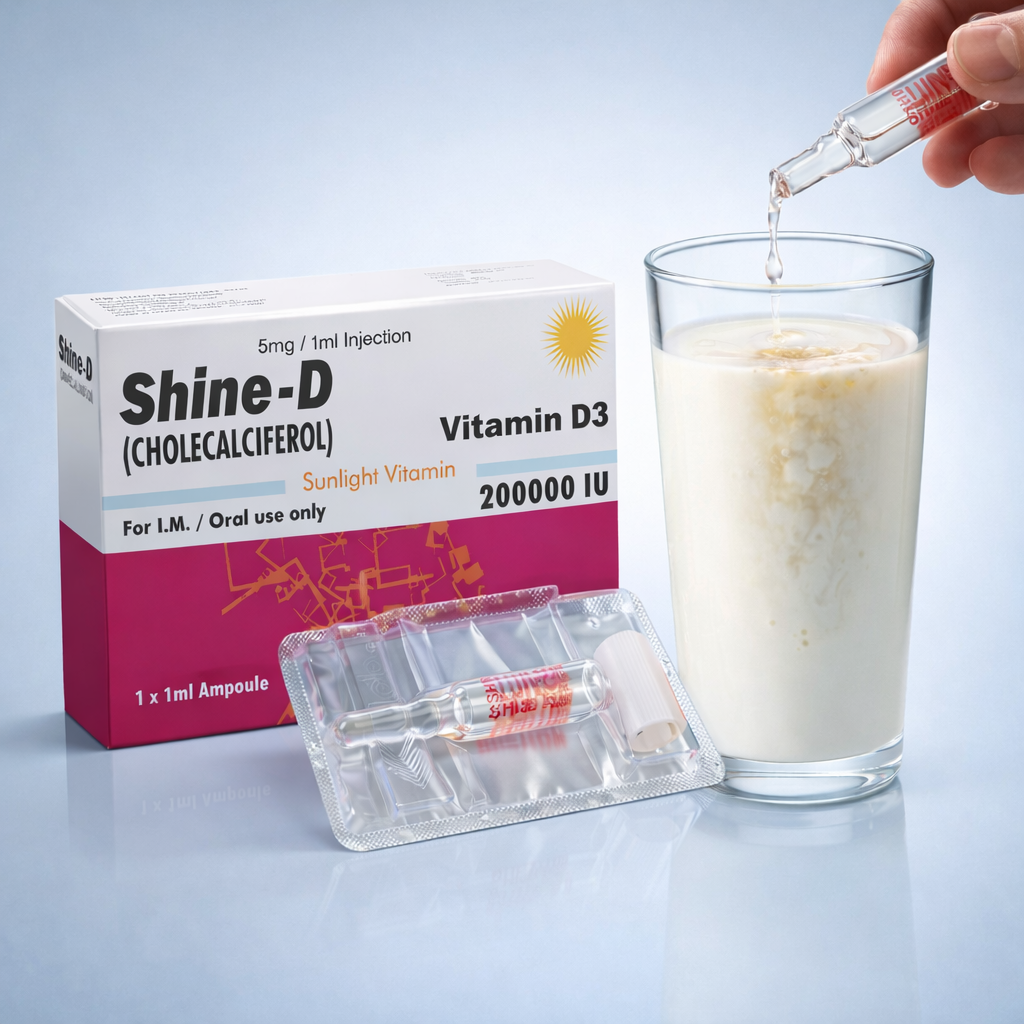
- Vitamin D injections are a more direct way to increase vitamin D levels in the body, particularly for individuals who have deficiencies or conditions that make oral supplementation less effective. Here are the key benefits of Vitamin D injections:
1. Improved Bone Health
- Supports Calcium Absorption: Vitamin D is essential for the body’s ability to absorb calcium, which is critical for bone strength. A deficiency can lead to brittle bones, increasing the risk of fractures, osteoporosis, or rickets in children.
- Bone Density: Regular vitamin D injections help maintain bone mineral density and prevent bone-related issues, especially in older adults or those at risk of osteoporosis.
2. Enhanced Immune Function
- Boosts Immunity: Vitamin D plays a critical role in modulating the immune system. It helps the body fight off infections, particularly respiratory infections, and may lower the risk of chronic diseases.
- Reduced Risk of Autoimmune Diseases: Sufficient vitamin D levels are associated with a reduced risk of autoimmune diseases like multiple sclerosis, rheumatoid arthritis, and type 1 diabetes.
3. Mood and Mental Health Support
- Reduces the Risk of Depression: Low levels of vitamin D have been linked to depression, seasonal affective disorder (SAD), and anxiety. Vitamin D injections can help improve mood and mental clarity.
- Cognitive Health: Vitamin D is essential for brain function, and some studies suggest that adequate levels may help reduce the risk of cognitive decline and conditions like Alzheimer’s disease.
4. Improved Muscle Function
- Muscle Strength: Vitamin D deficiency can lead to muscle weakness and pain. By maintaining optimal vitamin D levels, muscle function and strength can be improved, reducing the risk of falls and injuries, especially in older adults.
- Athletic Performance: For athletes or individuals engaging in intense physical activity, vitamin D injections may help improve muscle recovery, performance, and endurance.
5. Better Cardiovascular Health
- Supports Heart Health: Adequate vitamin D levels are associated with a reduced risk of heart disease. Some research suggests vitamin D helps regulate blood pressure, blood sugar levels, and inflammation, all of which contribute to heart health.
6. Boosts Energy and Reduces Fatigue
- Fights Fatigue: Individuals who are deficient in vitamin D often experience fatigue or tiredness. Vitamin D injections can help restore energy levels and improve overall vitality.
7. Convenient and Fast Acting
- Quick Absorption: Vitamin D injections bypass the digestive system, delivering a more immediate and reliable boost in vitamin D levels, especially in individuals with absorption issues (like those with digestive disorders).
- Fewer Doses: Unlike daily oral supplements, vitamin D injections are typically administered less frequently (e.g., once a month or less), making them more convenient for individuals who have trouble adhering to a daily regimen.
8. Support for Diabetes Management
- Improved Insulin Sensitivity: Vitamin D may help improve insulin sensitivity, which is crucial for managing and preventing type 2 diabetes. Adequate levels of vitamin D can help regulate blood sugar levels.
9. Reduced Risk of Certain Cancers
- Cancer Prevention: Some studies suggest that vitamin D may reduce the risk of certain cancers, including colorectal, breast, and prostate cancer. It plays a role in cell growth regulation and can help prevent abnormal cell growth.
10. Helps with Weight Loss
- Supports Healthy Weight Management: Adequate levels of vitamin D are linked to improved weight management, and some studies suggest that vitamin D supplementation may assist in fat loss, especially in individuals who are deficient.
When are Vitamin D Injections Recommended?
- Deficiency: People with low vitamin D levels, often identified by a blood test, may be prescribed vitamin D injections.
- Absorption Issues: Those with conditions like celiac disease, Crohn’s disease, or who have undergone gastric bypass surgery may struggle to absorb vitamin D orally, making injections a more effective option.
- Older Adults: Vitamin D levels naturally decrease with age, and older adults may benefit from injections to maintain bone and muscle health.
Chronic Conditions: Individuals with certain health conditions like osteoporosis, rheumatoid arthritis, or autoimmune diseases may be recommended vitamin D injections to support their immune system and bone health.



Reviews
There are no reviews yet.